Where this helps
- Outfeed after labelling or coding
- Buffer before manual packing
- Bottle, jar and carton collection
- Lines with short downstream stoppages
Give downstream operators or machines a practical buffer when finished products leave a packaging process.
Packing, inspection and manual handling often run at a different pace from upstream machines. An outfeed accumulation table can absorb short changes in flow.
The product type, filled weight, stability and operator process all affect whether rotary, straight or curved accumulation is the best choice.
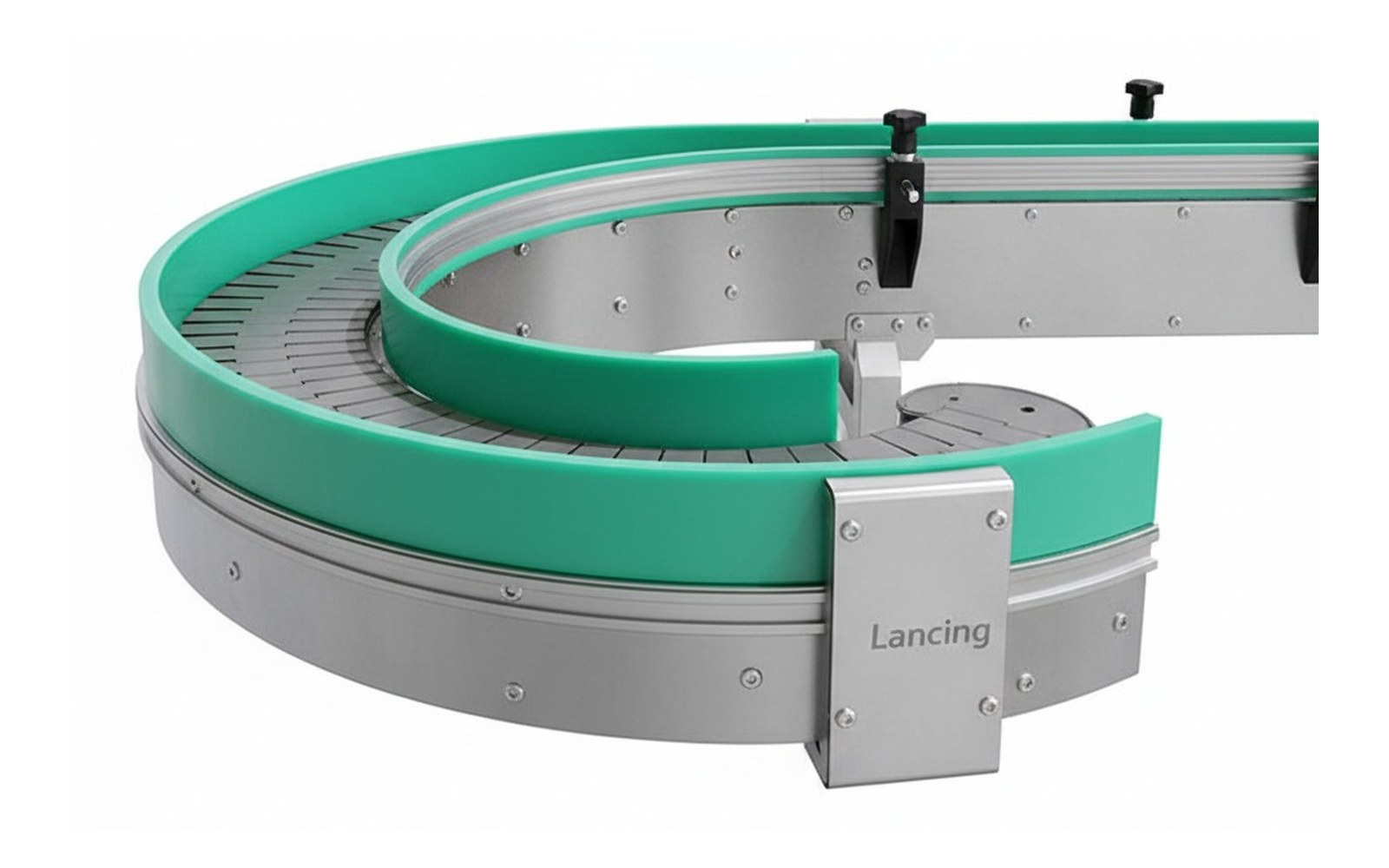
Small details at planning stage can prevent unstable transfers, awkward access and output issues later.
Confirm size, weight, base shape and stability before choosing the conveyor type.
Match conveyor height, speed and direction to the equipment on either side.
Keep room for loading, cleaning, adjustment, inspection and safe operation.
Decide whether the line needs accumulation to protect output during short stops.
These related pages help narrow down the conveyor type, layout and quote details.
Continue with practical conveyor information for your enquiry.
Open page →Continue with practical conveyor information for your enquiry.
Open page →Continue with practical conveyor information for your enquiry.
Open page →Clear answers for buyers comparing conveyor options and preparing an enquiry.
It is a buffer after a machine that allows products to collect temporarily before packing or the next process.
It can help protect output during short stoppages, but it does not replace the need to balance the line properly.
Bottles, jars, containers, cartons and many stable packs can be considered depending on weight and stability.
Get practical conveyor advice based on the way your product needs to move through the line.
Describe the packing or collection operation that follows the table. Record the incoming product rate, normal collection pattern and interruption the buffer is intended to absorb. Keep these assumptions visible so a proposed table can be assessed against a defined task instead of its overall diameter or area.
Review the last part of the buffer cycle as well as initial filling. Show what happens when the table approaches its usable limit and when an operator resumes collection. Observe container condition, accessible reach and the method of preventing an uncontrolled queue from extending back into the preceding machine.
A buffer can cover defined interruptions; the longer-term balance between incoming output and collection capacity still needs review.