Where this helps
- Inline capping machines
- Bottle cappers and jar cappers
- Lines with adjustable guide rails
- Capping to labelling transfer routes
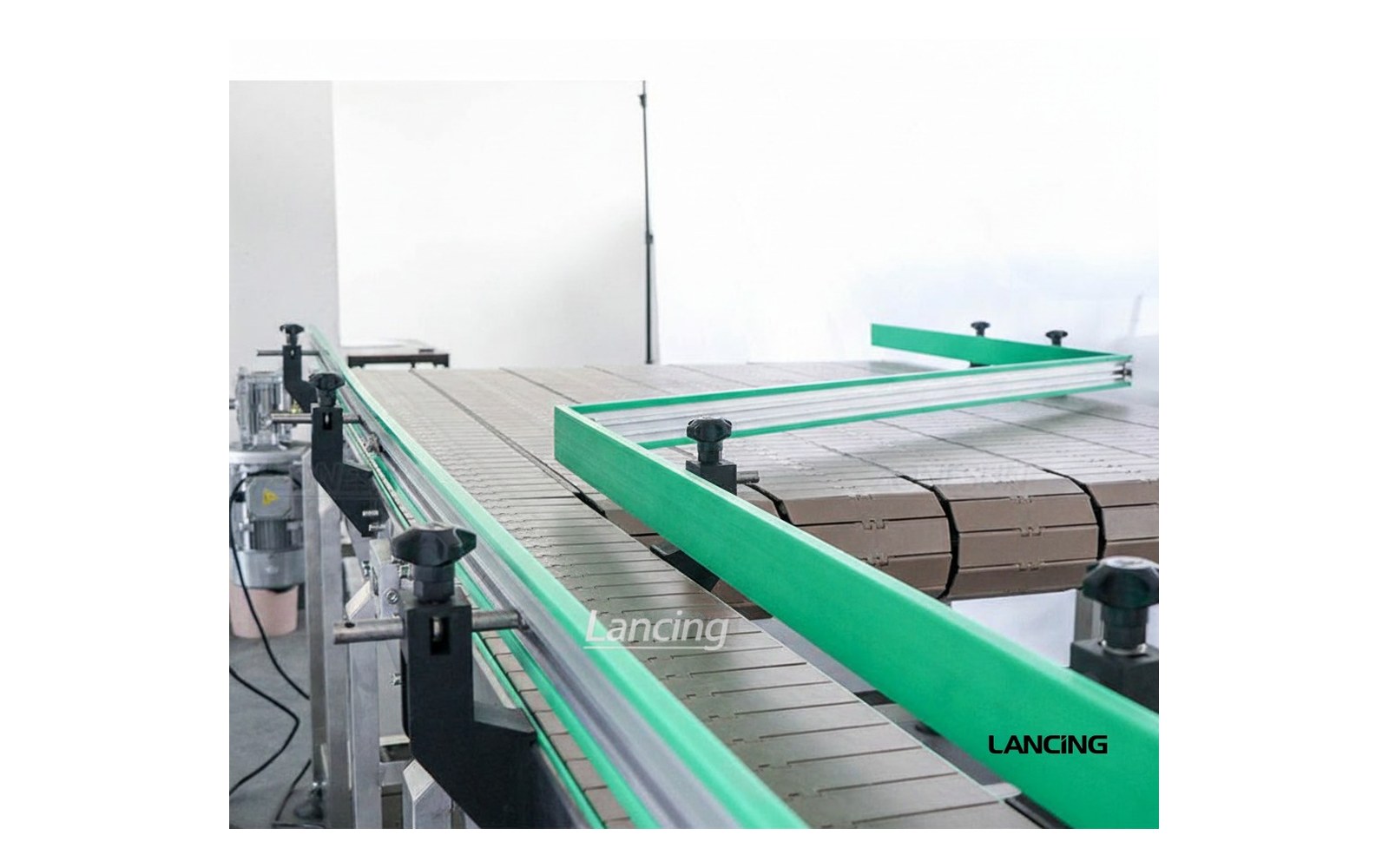
Feed containers into the capper consistently so the capping process has stable, well-guided product presentation.
Poor bottle presentation before a capper can lead to misfeeds, stoppages and inconsistent handling. The conveyor should guide the container without creating unnecessary pressure or instability.
Outfeed planning matters as well, especially where capped products move to labelling, coding, inspection or packing.
Small details at planning stage can prevent unstable transfers, awkward access and output issues later.
Confirm size, weight, base shape and stability before choosing the conveyor type.
Match conveyor height, speed and direction to the equipment on either side.
Keep room for loading, cleaning, adjustment, inspection and safe operation.
Decide whether the line needs accumulation to protect output during short stops.
These related pages help narrow down the conveyor type, layout and quote details.
Continue with practical conveyor information for your enquiry.
Open page →Continue with practical conveyor information for your enquiry.
Open page →Continue with practical conveyor information for your enquiry.
Open page →Clear answers for buyers comparing conveyor options and preparing an enquiry.
It controls how the container arrives at the capper, which affects stability, spacing and presentation into the machine.
Sometimes yes, but the transfer and speed requirements for both machines need to be checked.
Adjustable guide rails are useful where bottle sizes or formats change between production runs.
Get practical conveyor advice based on the way your product needs to move through the line.
Identify the point at which the capper takes control of the bottle or jar. Show the conveyor guides, any spacing mechanism and the capper entry features together. The proposal should state which equipment establishes the required position and which adjustments belong to each bottle format.
Include the outfeed response in the same review. A blocked discharge can affect the capping area even when the incoming bottles are well presented. Ask for the stop and restart sequence to show how containers already inside the machine are handled and how upstream supply is controlled.
No. First identify whether presentation, spacing, closure supply or the capping process is causing the interruption.